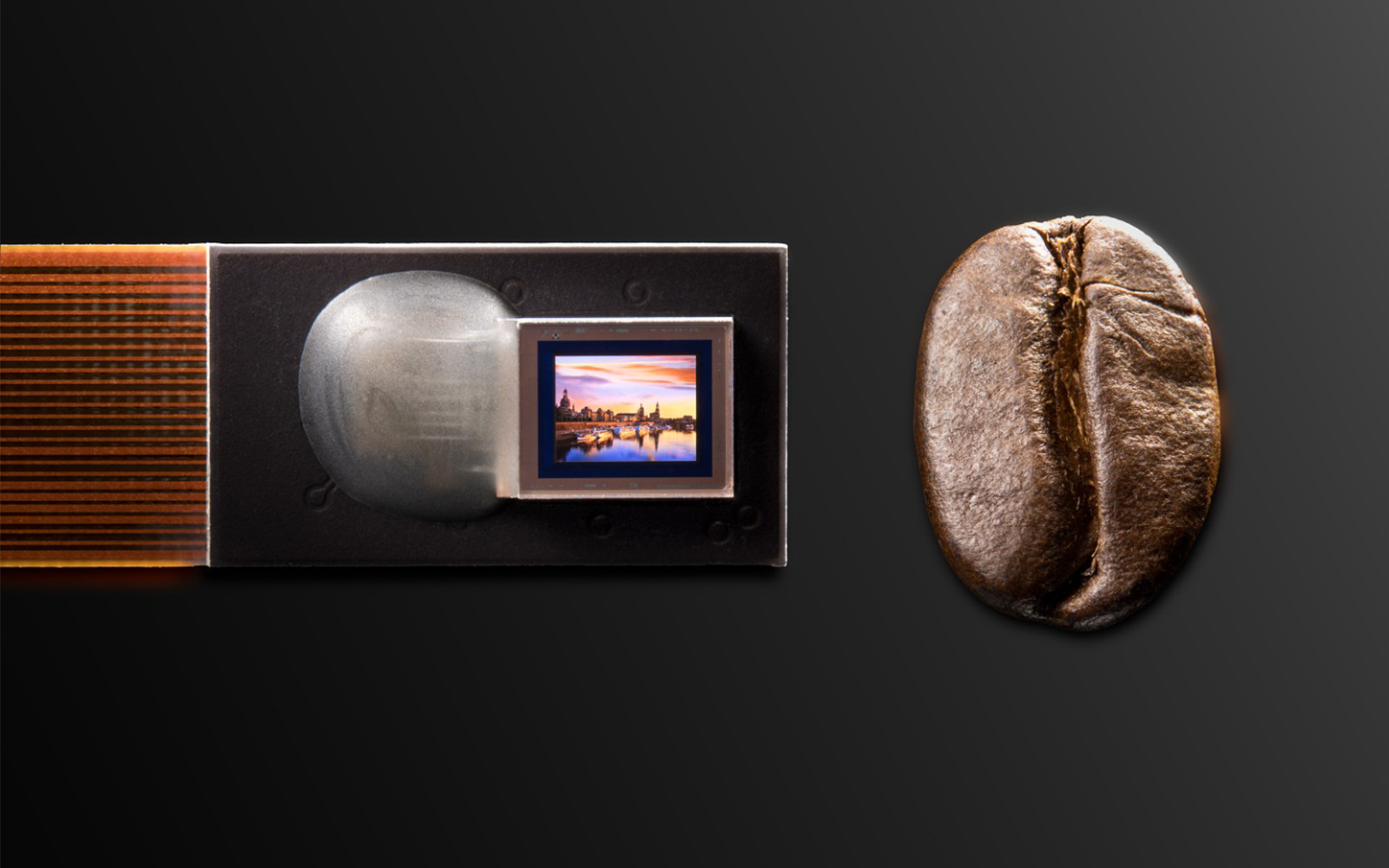



The brand new microdisplay is right to be used in augmented actuality (AR), digital actuality (VR), and combined actuality glasses. Their excessive decision and effectivity additionally make them very best for transportable units and purposes that require superior picture high quality in small kind issue microdisplays.
The show is manufactured utilizing a state-of-the-art 28 nm CMOS course of. The versatile backplane structure combines two driving ideas: frame-based (for steady updates) and memory-based (for static content material). Full-color RGBW pixels are created by a white computation block built-in into the backplane, which computes white subpixels from commonplace RGB picture knowledge. The extraordinarily small sub-pixel measurement of two.52 × 2.52 µm² permits extraordinarily excessive pixel densities as much as 5040 PPI.
“In comparison with conventional microdisplays, the brand new resolution consumes a lot decrease energy and achieves ultra-high decision. Versatile drive modes allow each speedy video playback and extremely energy-efficient nonetheless picture show, making the show very best for battery-powered light-weight units with prolonged runtimes,” explains Philipp Wartenberg, Head of IC and System Design at Fraunhofer IPMS.
Scientists at Fraunhofer IPMS have developed distinctive and revolutionary drive ideas for microdisplays, together with microdisplays with extraordinarily excessive pixel densities, permitting show parameters and interfaces to be tailored flexibly and to the shopper. The institute additionally supplies assist starting from technical consulting and analysis kits to prototyping of microdisplays.
Fraunhofer IPMS wish to thank our sponsors for his or her assist. A number of the outcomes have been developed throughout the following funded tasks: